TRIXI GRONAU Manufactory · Knowledge
Blind Embossing from our Hamburg Atelier
What is blind embossing?
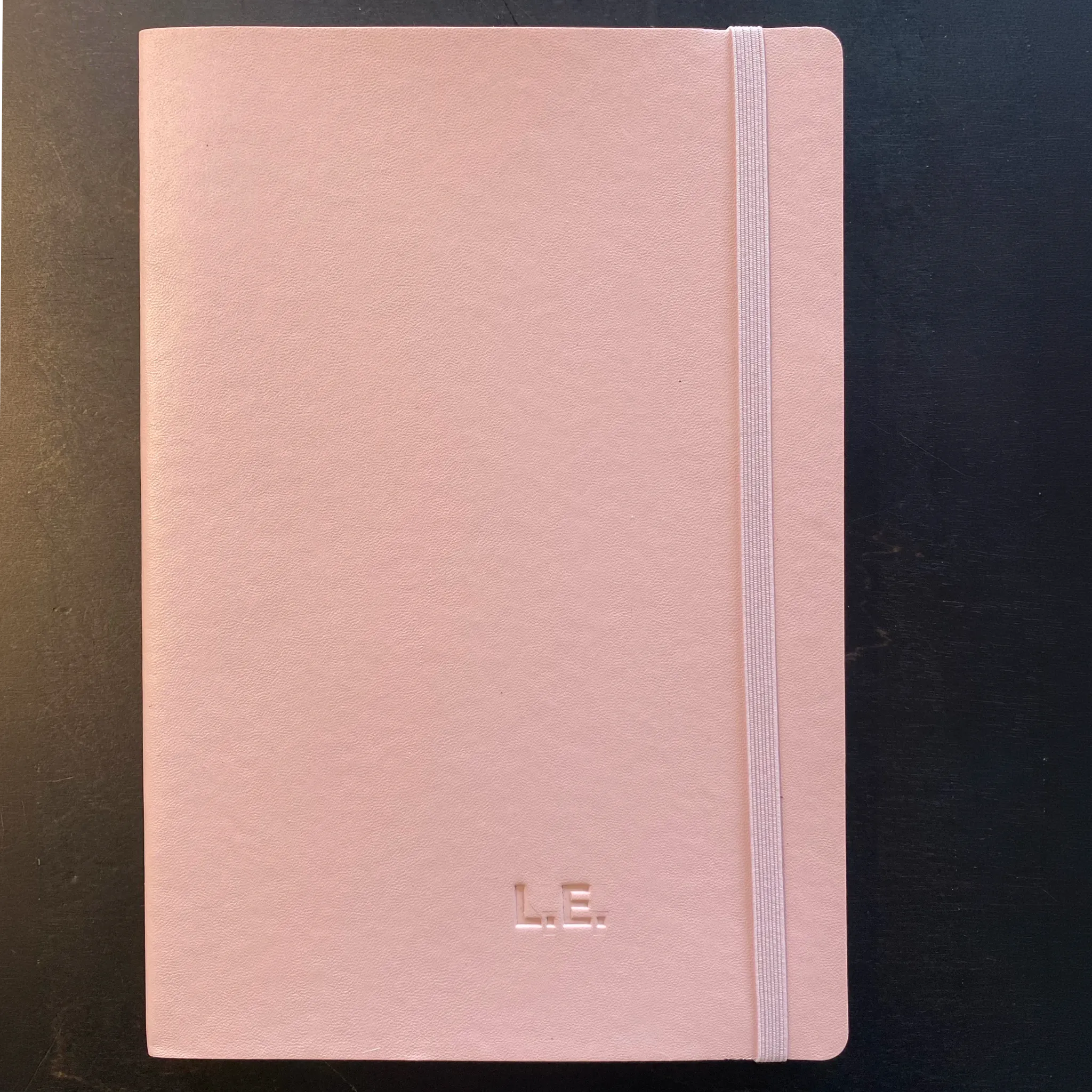
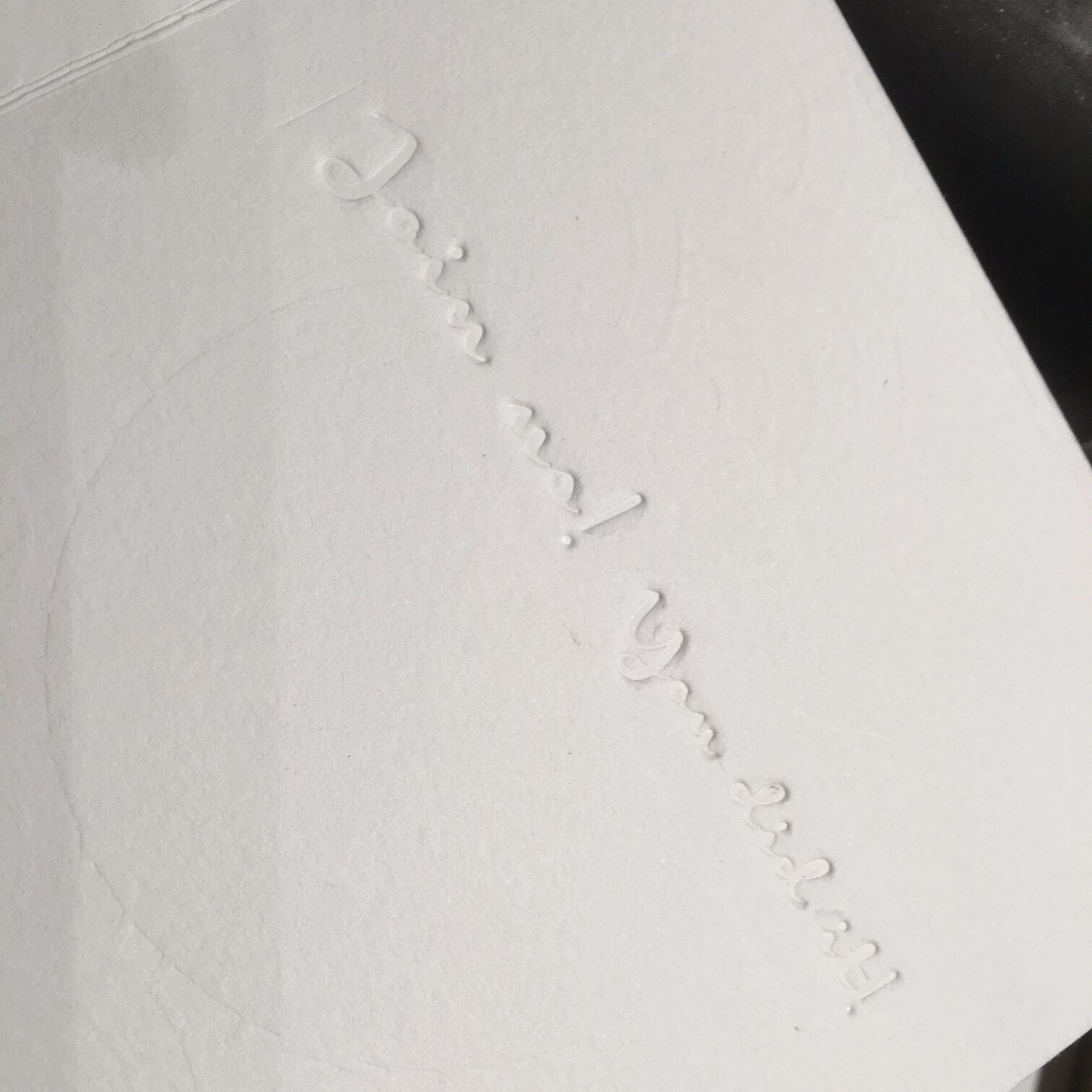
Blind embossing is a finishing technique without printing ink and without visible foil. The motif is created by deforming the surface of the material. Depending on the method, paper, card, book covers or other suitable materials are shaped between two matching forms or pressed directly with a die.
The effect comes from light, shadow and the tactile change in the surface. On suitable materials, blind embossing can appear restrained while still remaining clearly visible. We particularly like this quiet form of finishing on softcover books.
Blind embossing is part of the craft tradition at TRIXI GRONAU. Corinna's parents were already using this technique in 1965. Today we work with two different methods of blind embossing.
Two methods of blind embossing
Blind embossing in a Heidelberg platen press
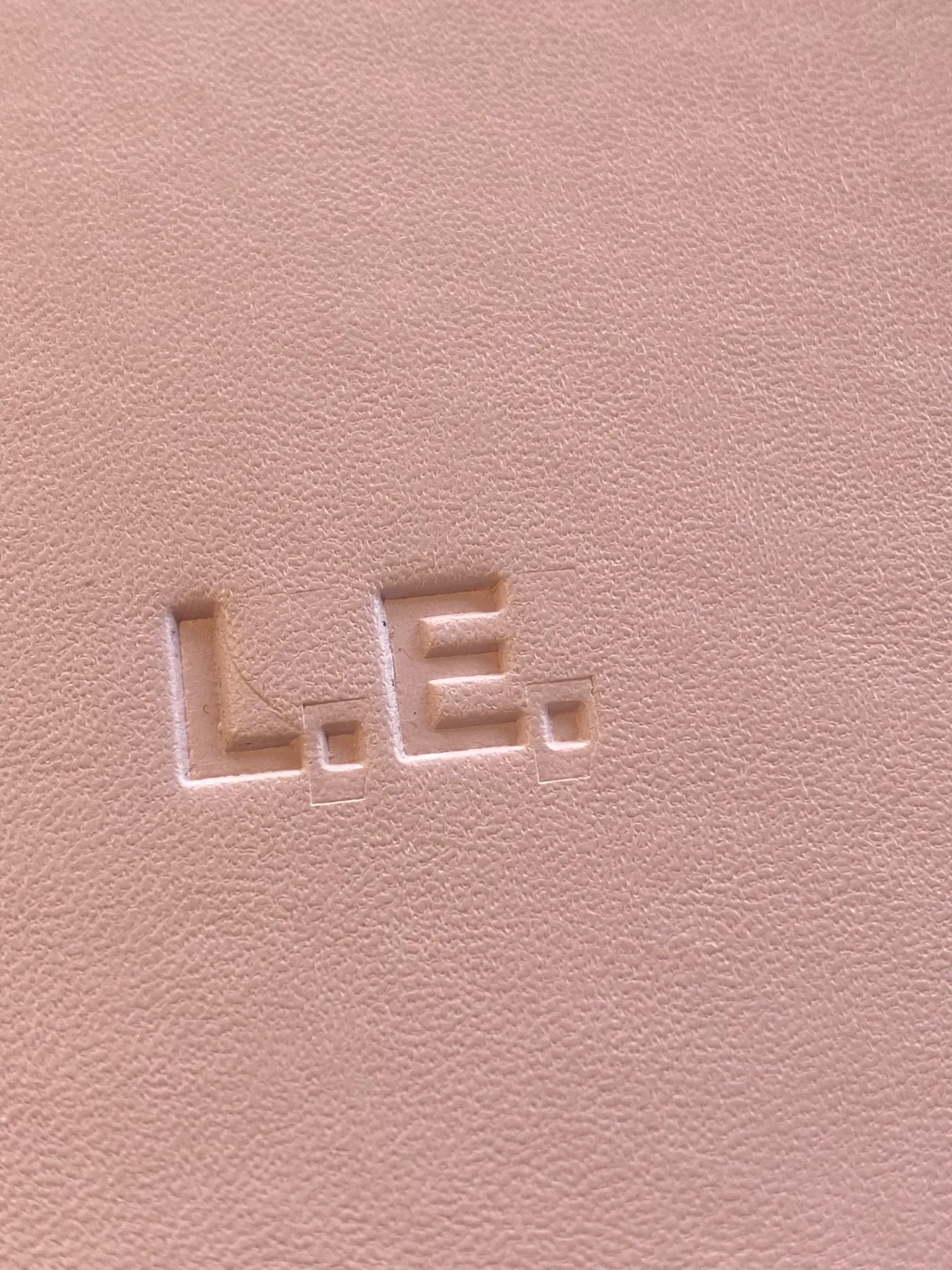
For a sculptural blind embossing in a Heidelberg platen press, two precisely matching tools are used. The metal die carries the engraved motif. A matching counter die forms the opposite side.
Paper or card is pressed between both forms under high pressure. This can create a clearly three dimensional relief. The depth is not determined by pressure alone. Material thickness, packing and make ready also influence the result.
Papers and boards with sufficient volume and flexibility are particularly suitable. The material must be able to deform without tearing or being damaged at the embossed areas.
Blind embossing on Schmedt and Baier embossing presses
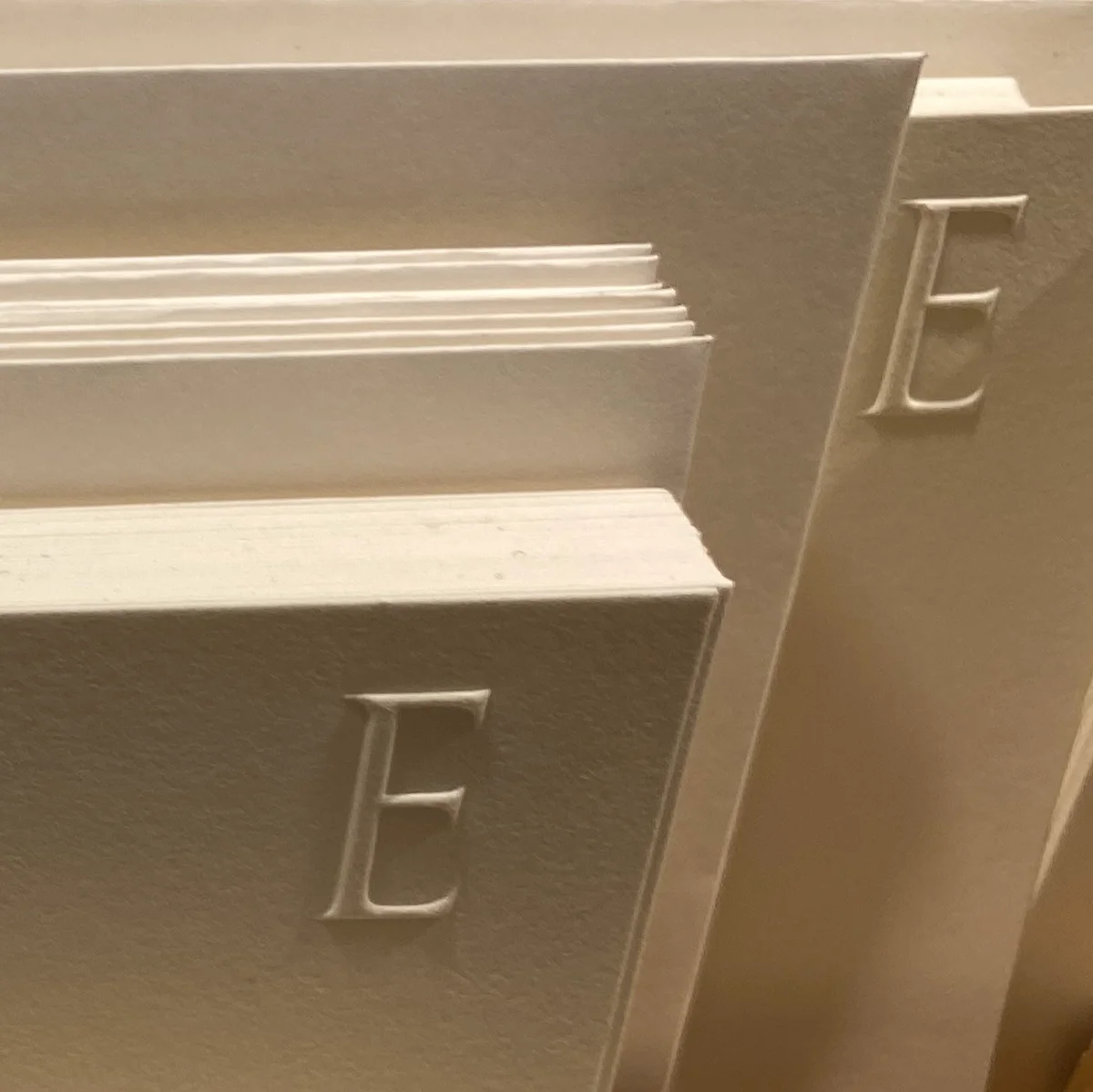
We also produce blind embossing on our Schmedt and Baier embossing presses. The working process is similar to hot foil stamping, but no foil is used. The die is pressed directly into the surface with force.
This creates an indentation that becomes visible through shape, light and shadow. The softer and more yielding the material, the more clearly the embossing can appear. This method is especially suitable for softcover books, book covers, board and suitable covering materials.
Which materials are suitable?
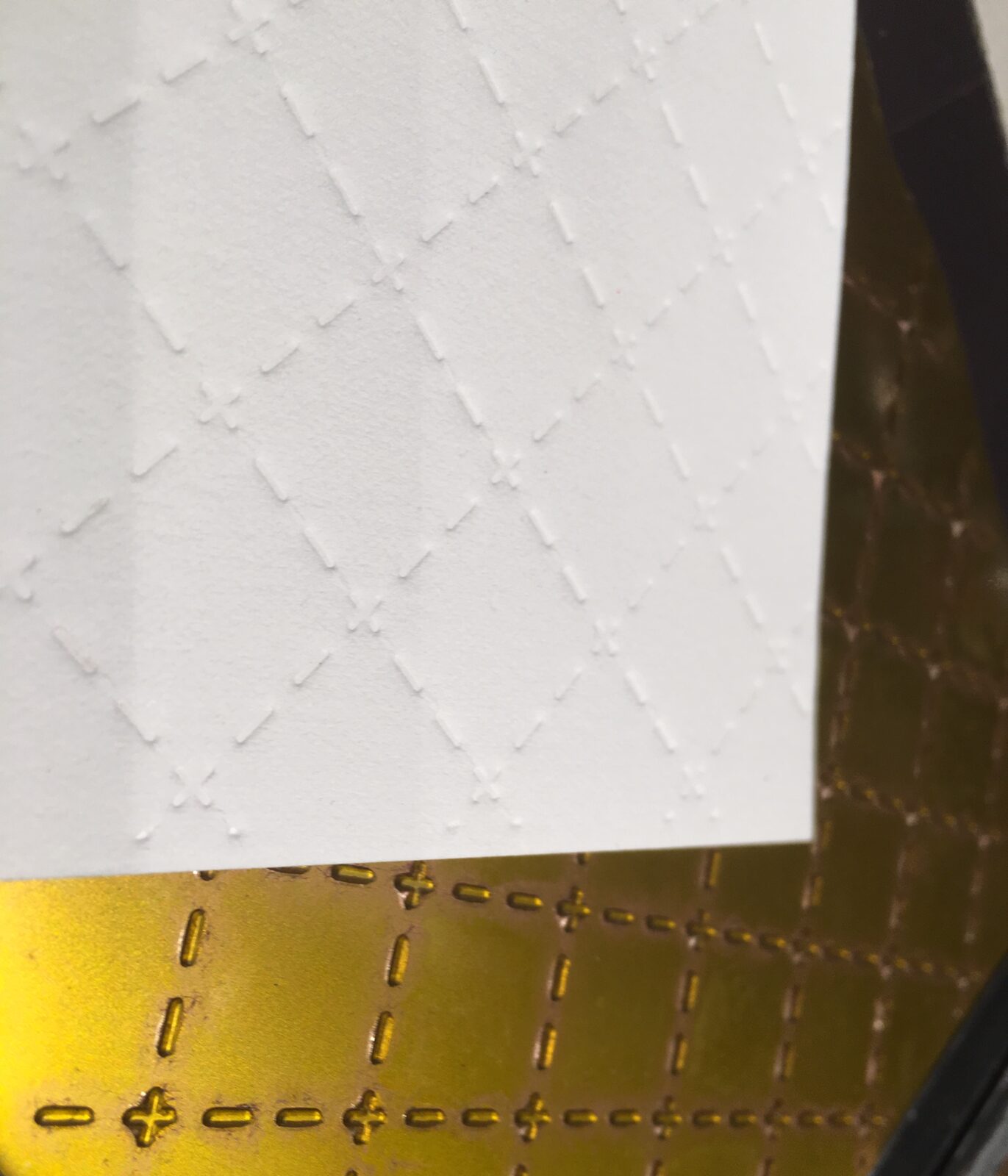
In our atelier we blind emboss card, softcover books, notebooks, photo albums, guest books, folders, leather and leather like materials.
Every material reacts differently. A firm board needs different settings from a soft book cover. For this reason, a test embossing is part of our process. Only on the actual material can we judge how clearly the motif appears and how much pressure is appropriate.
Heat reactive covering materials
A special effect can occur with heat reactive covering materials. With materials such as Kanuba, the colour can change through heat during embossing. The embossed area becomes slightly darker.
This means that the blind embossing is visible not only through its depth. A subtle tonal difference can also appear in the surface. The strength of this effect depends on the material, temperature and embossing time.
How deep should blind embossing be?
There is no single technical value that works for every material and every motif. The right depth is a matter of material knowledge and long practical experience.
For Corinna, the decisive point is that the motif must be clearly recognisable on the finished product. At the same time, the material must not be unnecessarily stressed or damaged. A good blind embossing does not have to be as deep as possible. It has to be exactly as clear as the motif and the material require.
Which motifs work particularly well?
Clear lettering, initials, logos and graphic motifs are especially suitable. Individually designed motifs for greeting cards can also gain a very personal effect through blind embossing.
With our own cards, the process often begins with an image in Corinna's head. The motif is developed from that idea, then the appropriate die is made and the material is selected. The most exciting moment is the first finished embossing. When motif, material and effect come together exactly as imagined, it is still a special moment every time.
What is the difference between blind embossing and hot foil stamping?
Hot foil stamping transfers a visible foil onto the material with heat and pressure. Blind embossing works without visible foil. Its effect comes from shaping the material itself.
Both techniques can use similar presses and dies. The visible result is different. Hot foil stamping adds a coloured or metallic surface. Blind embossing remains tied to the material and works through depth, light and shadow.
What is the difference between blind embossing and thermography?
Blind embossing is not thermography. In thermography, printing ink is applied first. Thermography powder is added to the still wet ink and then melted with heat to create a raised coloured layer.
Blind embossing works differently. The material itself is shaped and no raised ink layer is created.
What is the difference between blind embossing and letterpress?
In letterpress, printing ink is transferred from a raised printing form onto paper. Depending on the working method, a tactile impression can also be created.
Blind embossing uses no printing ink. The deformation of the surface is the actual design element.
Blind embossing at TRIXI GRONAU
Blind embossing has been part of our family's work for decades. Our experience reaches back to the printing and bookbinding workshop of Corinna's parents. Today we combine this craft knowledge with our own designs, modern covering materials and different embossing presses.
We can produce both sculptural blind embossing with a die and counter die in a platen press and recessed blind embossing with a die on embossing presses. The technique depends on the product, material, motif and the intended effect.
Questions about blind embossing
Is colour used in blind embossing?
No. Classic blind embossing uses no printing ink and no visible foil. The effect comes from the deformation of the material.
What are a die and a counter die?
In sculptural blind embossing, the die and counter die form two precisely matching shapes. The material is pressed between them and receives its relief.
Can card be blind embossed?
Yes. Depending on thickness and composition, card can be very suitable. The important point is that the material tolerates the deformation and that the motif remains clearly visible.
What does heat reactive mean for covering materials?
Heat reactive materials visibly change through heat. With Kanuba, for example, the embossed area can become slightly darker. This can emphasise the embossing visually as well as through depth.
Is deeper blind embossing always better?
No. The depth must suit both material and motif. The motif should be clearly recognisable without unnecessarily stressing the product.
Can blind embossing be made on the same machines as hot foil stamping?
Yes. On embossing presses such as the Schmedt Prägnant or Baier, a similar process can be used without foil. Sculptural platen embossing with a die and counter die requires a different setup.