TRIXI GRONAU Manufactory · Knowledge
Screen Printing from our Hamburg Print Studio
What is screen printing?
Screen printing is a printing process in which ink is transferred onto the material with a squeegee through a fine mesh. The areas that should remain unprinted are blocked by the prepared stencil in the screen. A separate screen is required for each print colour.
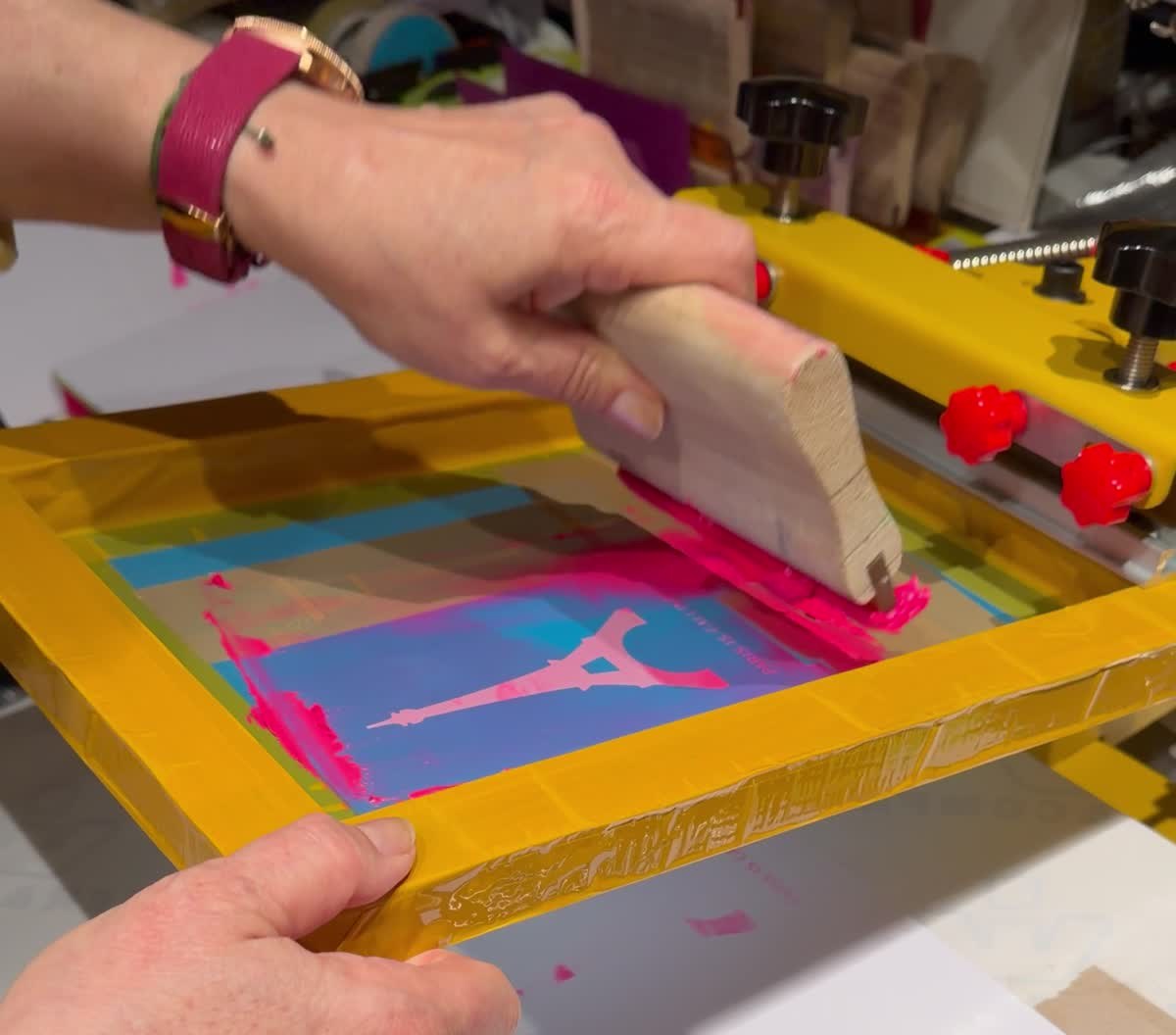
At TRIXI GRONAU we work with hand screen printing. The ink is pulled through the screen by hand with a squeegee. This makes the process suitable for many different materials and for projects in which colour, surface and motif are intended to work together deliberately.
How is a screen print made at TRIXI GRONAU?
The process begins with the motif. For the screen stencil, we usually provide a high resolution PDF to the specialist company that coats and prepares the screen for us.
A separate screen is used for each colour. In the studio, the ink is prepared, the material is positioned and the screen is aligned above it. Today we also work with a screen printing carousel. We then pull the ink through the mesh by hand with the squeegee. The screen is lifted and the print is allowed to dry. For multicolour work, the next print run follows with another screen.
Which inks do we use?
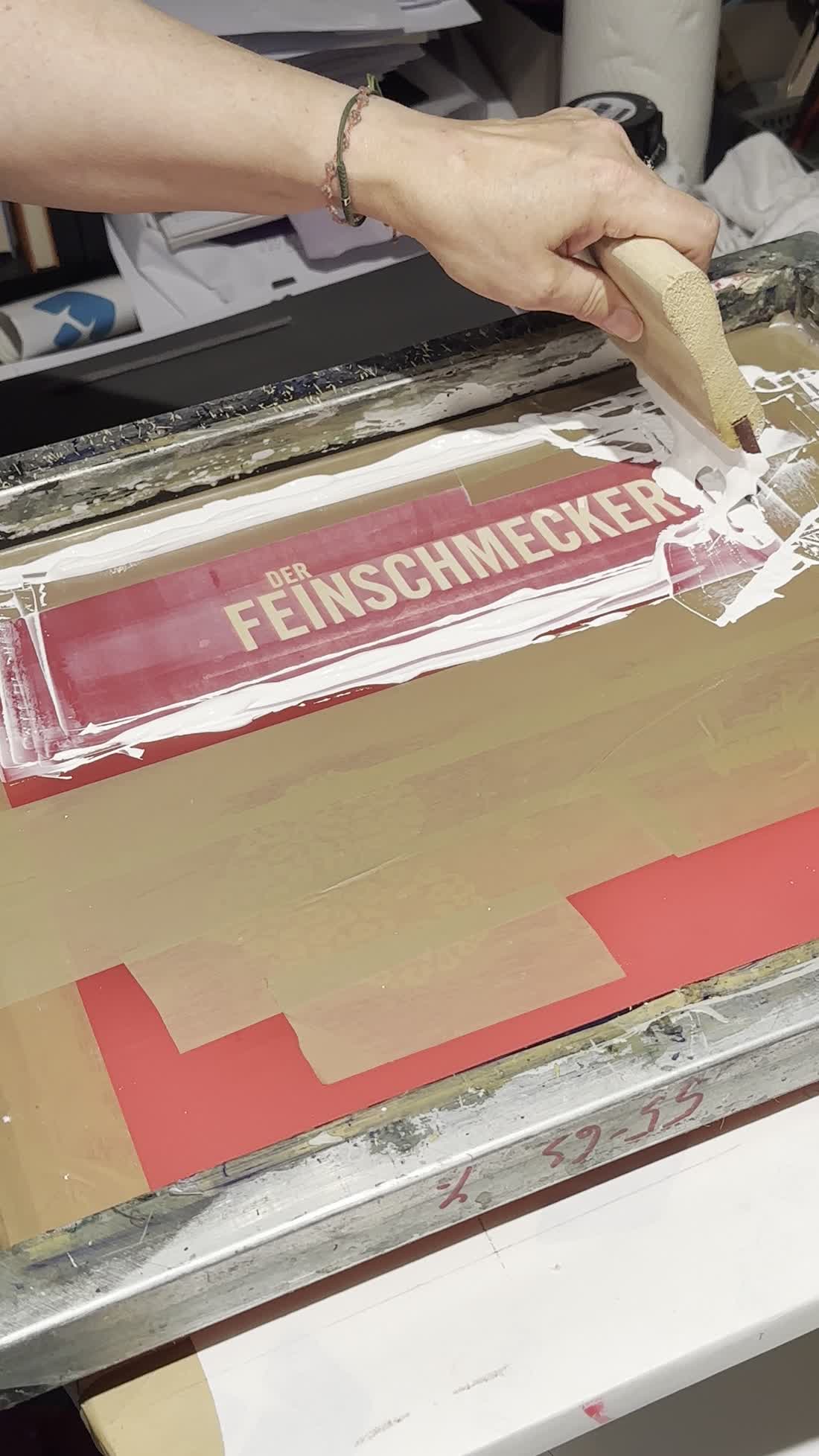
We mainly work with water based screen printing inks. For certain materials we also use plastisol inks in our studio. The suitable ink depends on the substrate and the desired result.
One advantage of screen printing is the ability to use clearly defined spot colours. This allows intense shades and neon colours to be used deliberately. With multicolour motifs, each colour is printed separately.
Which materials can be screen printed?
Screen printing is not limited to paper. In our studio we have printed on paper, fabric, leather and coated materials, among others.
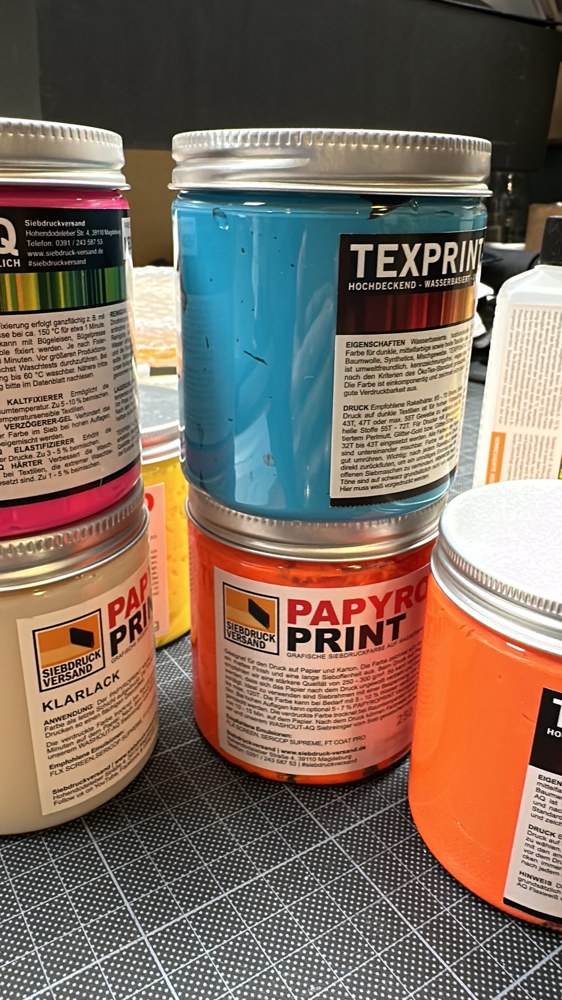
Our own examples include carrier bags, goodie bags, nonwoven napkins, business cards and cards. We have also printed bags individually for private occasions.
For which occasions is screen printing suitable?
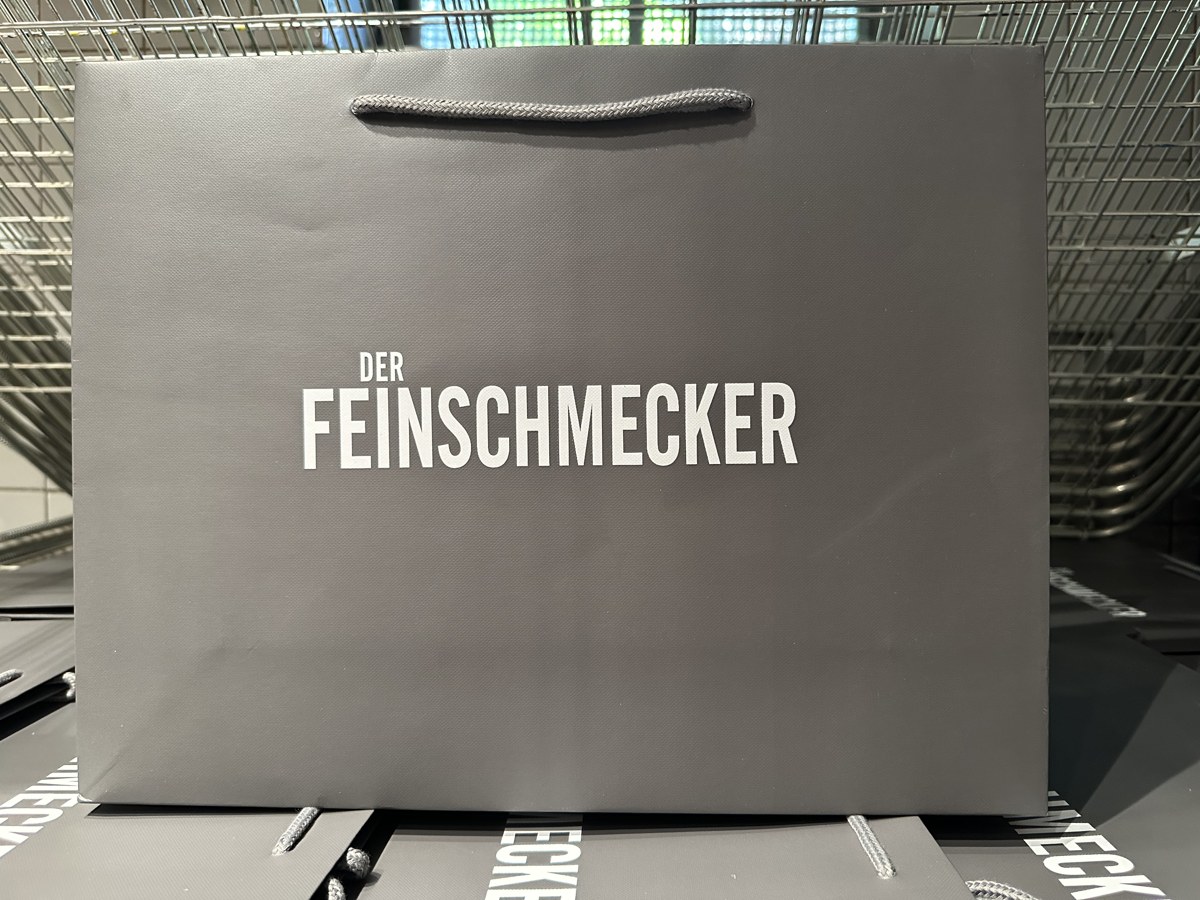
Screen printing can be used for both business and private projects. Printed carrier bags and goodie bags are suitable for events and brand presentations. Nonwoven napkins can be designed for weddings, birthdays or anniversaries. Cards and other paper products can also be finished with a screen printed motif.
Examples from our studio
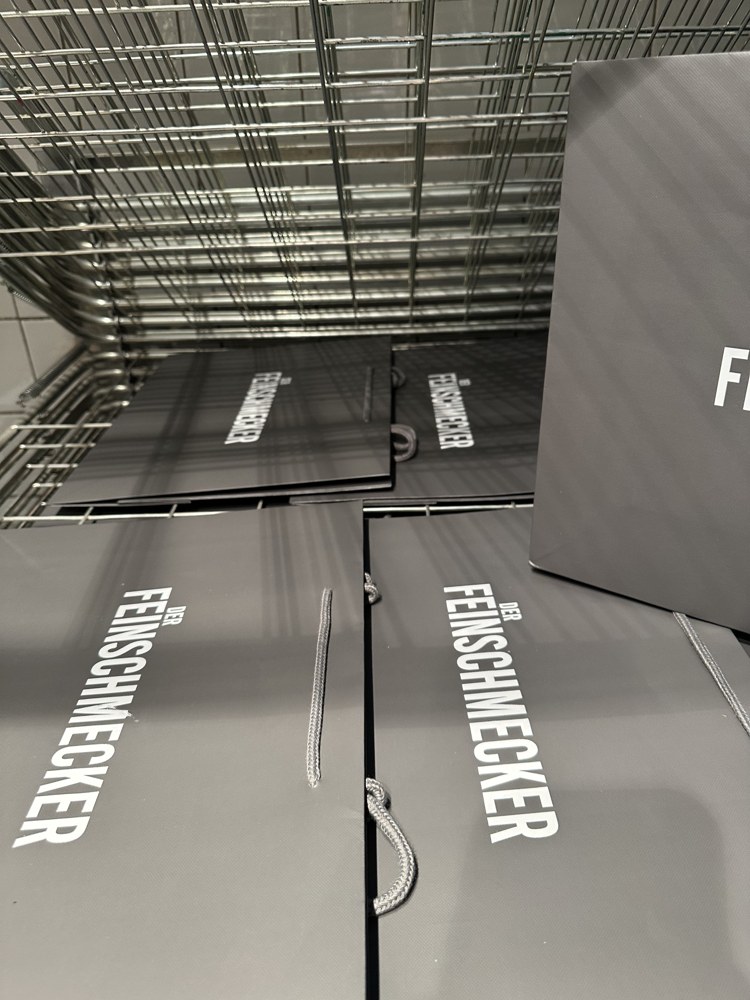
For an event organised by Der Feinschmecker magazine, we printed coated carrier bags used as goodie bags. Our existing image and video material shows the squeegee process, the finished bags and the drying stage.
For the 30th anniversary of TRIXI GRONAU, we created screen printed nonwoven napkins.
Another example is our Paris motif with the Eiffel Tower. The existing studio footage shows Neon Pink being prepared, the screen being positioned, the ink being applied with the squeegee and the finished card being lifted from the printing table.
What is the difference between hand screen printing and digital printing?
With hand screen printing, each colour is applied separately through its own screen. A specific spot colour can be selected and printed as an individual ink colour.
Digital printing usually builds colours from several printing colours and rasterised image data. Which technique is more suitable depends on the motif, material, quantity and desired effect.
Why do we use screen printing in our own studio?
Screen printing is interesting for us because it is not limited to classic paper products. The same process can be used on many different surfaces. Especially for small runs, unusual materials and individual projects, we can coordinate motif, colour and material very precisely.
Frequently asked questions
How many screens are needed for a multicolour screen print?
A separate screen is required for each individual print colour.
Do we coat the screens ourselves at TRIXI GRONAU?
We usually have the screens coated by a specialist company. The company receives a high resolution PDF with the motif from us.
Which inks are used?
We mainly use water based screen printing inks. For certain materials we also use plastisol inks in our studio.
Can fabric and leather also be printed?
Yes. In addition to paper, we have worked with fabric, leather and coated materials in screen printing.
Can screen printing be used for weddings and birthdays?
Yes. For example, nonwoven napkins, bags and other suitable materials can be individually designed for an occasion.
More from the glossary